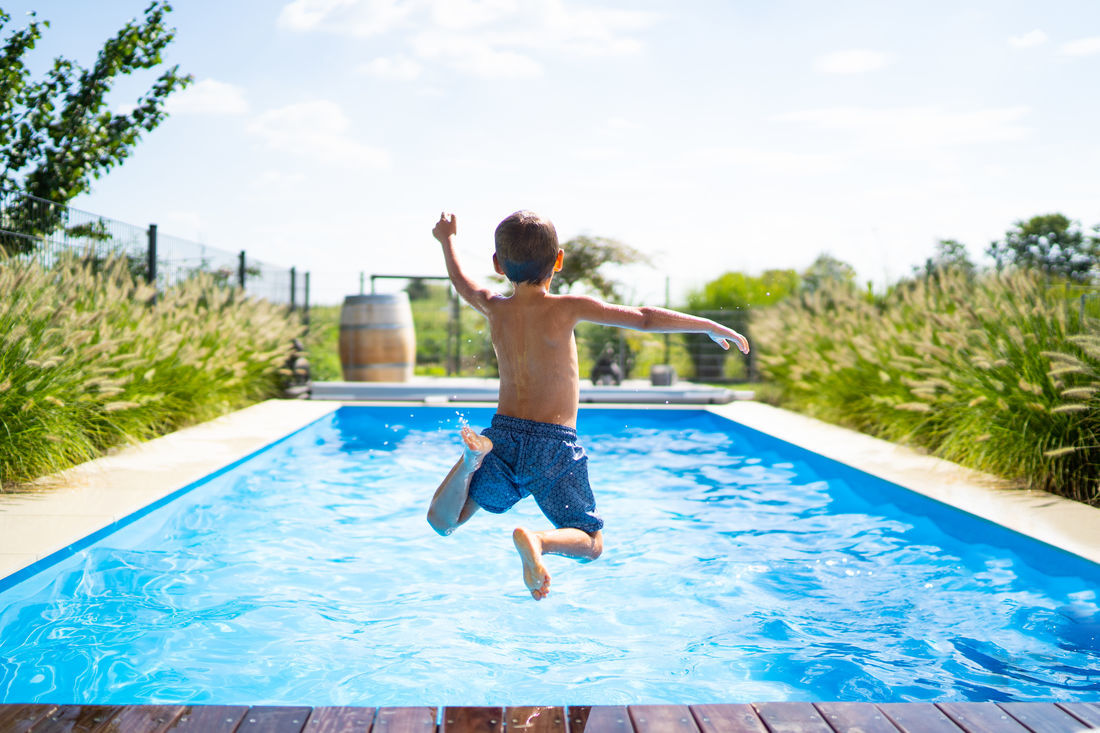
Swimming pools are a great addition to any home, serving as a recreational facility and potentially increasing the value of your property. However, constructing and maintaining a pool involves several considerations, including type, safety, water condition, fencing regulations, safety equipment, surroundings, inspection report, emergency preparedness, and Victorian Pool Register. In this comprehensive guide, we will delve into each of these facets, providing a clearer picture of the costs associated with owning a pool in Australia.
Type of Pool
Swimming pools come in a wide variety of styles, materials, and designs, all of which can significantly affect the overall cost of your pool project. The most common types of pools include inground, above-ground, fiberglass, concrete, or vinyl liner pools. The choice of pool type largely depends on your budget, available space, and personal preferences.
Inground pools, for example, are typically the most expensive option due to their construction requirements. They involve excavating the ground and installing a robust structural framework to support the pool shell. Despite their higher initial cost, inground pools offer a more permanent and aesthetically pleasing option, often adding significant value to a property.
Concrete pools, a subtype of inground pools, offer the most flexibility in terms of size, shape, and depth, making them the preferred choice for custom designs. However, they tend to be more expensive due to the labour and material costs involved. Additionally, they require more maintenance as compared to other pool types and a longer installation time.
Fiberglass pools, on the other hand, are factory-molded and delivered as a single piece to your home, ready to be installed into a pre-excavated hole. They are faster to install than concrete pools and have a smoother surface that inhibits the growth of algae. This type of pool is lower maintenance, but your design options are limited to the pre-fabricated shapes and sizes offered by the manufacturer.
Vinyl liner pools offer a middle-ground solution in terms of cost. Like concrete pools, vinyl liner pools allow for a variety of shapes and sizes. However, they require the liner to be replaced every 5-9 years, depending on usage and maintenance, which adds to their lifetime costs.
Above-ground pools are the most cost-effective option, especially when it comes to installation. One popular choice is the Clark Rubber above-ground pool, known for its affordability and ease of assembly. While above-ground pools don't offer the same permanence and aesthetic appeal as an inground pool, they can be an excellent solution for those on a tight budget or with limited space. Plus, they can be disassembled and moved if required.
The extent of customization will also significantly influence your pool's cost. Features such as waterfalls, slides, diving boards, steps, and pool lighting will add to the overall price. Even factors such as the choice of pool colour or the inclusion of tile mosaics can alter the cost.
In conclusion, the type of pool you choose significantly affects the cost you should expect to spend on your pool. Therefore, it is essential to thoroughly research all options, taking into account not only the initial cost but also the long-term maintenance and potential repair costs. It's also recommended to consult with a pool professional to guide you on the best choice to meet your needs and budget.
Safety Instructions and Equipment
The safety of everyone using the pool, especially children, should be a top priority for all pool owners. The cost associated with implementing adequate safety measures should be a non-negotiable part of your pool budget. Key safety features include self-latching gates, pool fences, safety covers, and possibly even pool alarms. Regular pool safety inspections are also necessary to ensure compliance with safety regulations and maintain a secure environment.
One of the most significant safety components of a swimming pool is the pool fence. In many places, including Australia, it is a legal requirement to have a fence around your pool. This fence should be at least 1.2 meters high, according to the Australian Standard AS 1926.1-2012, and it should not have any gaps that a young child could fit through. Self-latching and self-closing gates are another critical safety measure, as they can prevent children from accidentally gaining access to the pool area. Pool fences can be made from various materials, including aluminium, glass, and mesh, with costs varying accordingly.
Pool covers are another essential safety feature. Safety covers are designed to completely cover the pool, and they are strong enough to support the weight of a child or pet if they accidentally walk onto it. A good pool cover also provides the added benefits of keeping your pool clean and reducing water evaporation, which can save you on maintenance costs and water usage.
Pool safety inspections are an integral part of maintaining a safe swimming environment. During a safety inspection, a pool safety inspector will check the pool's barrier, gate, latches, and the surrounding area to ensure they meet safety standards. They will provide a pool safety certificate upon successful inspection, a necessary document, especially if you plan on selling or renting out your property.
Pool safety inspectors' costs can vary, but you should expect to pay around $200-$300 for a pool inspection in Melbourne or Sydney, including the issuance of a pool safety certificate. It is advisable to have an inspection done annually or whenever significant changes are made to the pool or its surroundings.
Aside from these primary safety features, it's also worth investing in other pool safety equipment, such as life rings, pool alarms, or rescue hooks. It's equally essential to provide clear safety instructions to all pool users, including rules for diving, running, and unsupervised swimming.
The overall cost of pool safety can vary significantly depending on the specific requirements of your pool and the local regulations in your area. Still, it should never be overlooked or compromised. Ensuring your pool is a safe place for everyone to enjoy is truly priceless.
Water Condition
Maintaining the water quality in your pool is an essential aspect of pool ownership. It ensures the health and safety of everyone who uses the pool, and it also has an impact on the lifespan and functionality of your pool equipment. Proper maintenance involves regular testing and adjustment of various water parameters, such as pH levels, chlorine or salt content, calcium hardness, and the presence of bacteria or algae. The cost of this maintenance, including the purchase of testing kits, chemicals, and potential professional pool services, should be factored into your pool budget.
The first step to maintaining good water quality is regular testing. Pool water should ideally be tested at least once a week in the summer and once every two weeks in the winter. More frequent testing may be needed during periods of heavy use or after heavy rain. Pool water testing kits are available at pool supply stores and online, and they typically cost between $15 and $100, depending on their complexity.
The pH level of the pool water is one of the most crucial parameters to monitor. It measures how acidic or alkaline the water is on a scale from 0 to 14. The ideal pH level for a swimming pool is between 7.2 and 7.6. If the pH level is too high, the water can cause scale formation and eye irritation. If the pH level is too low, the water can corrode metal equipment, cause etching on surface materials and cause eye irritation.
Chlorine is the most commonly used pool sanitiser. It keeps the pool water clean by killing bacteria and oxidizing debris. The appropriate chlorine levels for a swimming pool should typically be between 1.0 and 3.0 parts per million (ppm).
If you have a saltwater pool, you’ll also need to monitor the salt levels. The ideal salt level in a saltwater pool is between 2700 ppm and 3400 ppm. Saltwater systems convert the salt to chlorine to sanitize the pool, but if the salinity is too high or too low, the system will not function correctly.
To maintain these parameters at the right levels, you'll need to purchase certain chemicals. These typically include chlorine or salt, a pH increaser or decreaser, a calcium hardness increaser, and an algaecide. The costs of these chemicals can add up, depending on the size of your pool and the frequency of use.
In some cases, you might prefer to hire a pool professional to manage your pool’s water quality, especially if your pool is large or used heavily. These services can range from around $60 to $120 per visit, and they typically include testing and adjusting your water parameters, as well as other services like cleaning the pool and checking the equipment.
When planning your pool budget, remember that maintaining the water quality is not just about keeping the water sparkling clear. It's also about ensuring the safety of everyone who uses the pool, protecting your investment in your pool and equipment, and providing a great swimming experience. So, factor these costs into your budget and enjoy the benefits of a well-maintained pool.
Fencing Regulations and Inspection
Ensuring your pool is compliant with Australian fencing regulations is a crucial aspect of owning a pool. It is not only about guaranteeing the safety of your family and the community but also about abiding by the law. Failure to comply can result in significant penalties, including fines and legal action. Therefore, understanding the fencing regulations and passing a pool compliance inspection is integral to your pool ownership journey.
In Australia, especially in Victoria, specific fencing regulations are outlined by the Victorian Building Authority and the Building Regulations 2018. These laws are supplemented by the national Australian Standard AS 1926.1-2012, which outlines the safety barriers for swimming pools. Together, they provide a detailed guide on how a pool fence should be constructed, the type of materials suitable for construction, and the height and clearance spaces necessary for the fencing.
For instance, the pool barrier should be at least 1.2 metres high, measured from the finished ground level. The pool fence should also have no gaps more than 10cm wide so that a young child cannot squeeze through, climb over, or crawl under.
In addition to these, the gates of the pool fence should be self-closing and self-latching. This means that the gate should automatically close and latch after being opened, providing an additional layer of safety.
The costs of installing a compliant pool fence vary greatly depending on the size of your pool, the materials you choose for your fence, and the labour costs in your area. As a general guide, pool fencing can cost anywhere from $200 per linear metre for a basic fence, to over $600 per linear metre for a high-end, designer fence.
Pool compliance inspections in Melbourne and Sydney, or any other area, are typically carried out by a pool safety inspector or a pool compliance inspector. During a pool safety inspection, inspectors look for adherence to the regulations mentioned above, along with checking the condition of the safety equipment around the pool. The pool fence inspection cost in Melbourne or elsewhere may vary but is a critical part of the overall pool cost.
Once the pool has passed the inspection, you will receive a pool compliance certificate. This certificate is a legal document that verifies your pool meets the safety requirements as per the Australian Standard AS 1926.1-2012 and the relevant state regulations. The pool compliance certificate cost is typically included in the inspection fee but should be confirmed with the inspection provider.
It's essential to consider these factors when budgeting for your pool. The installation cost of the pool might seem like the major expense, but ensuring compliance with safety standards is a crucial and ongoing expense that comes with owning a pool in Australia.
Surroundings and Landscaping
The surroundings and landscaping around your pool area significantly contribute to the overall look and feel of your outdoor space. Not only do they enhance the aesthetic appeal of the pool, but they also provide a safe, comfortable environment for pool users. However, transforming your pool area into an outdoor oasis comes with additional costs that need to be factored into your budget.
The first aspect to consider is the deck or patio that surrounds your pool. This is not just a design element; it's a functional space that provides an area for people to lounge, dine, and walk around the pool. The cost of installing a pool deck varies depending on the materials used - concrete, stone, pavers, or wood - and the size of the area to be covered. Concrete is generally the least expensive option, while materials like stone or wood can be more costly. Moreover, the complexity of the design, like curves, multiple levels, or custom patterns, will also increase the price.
Landscaping is another significant aspect of your pool surroundings. The choice of plants, trees, and flowers can transform your pool area into a serene escape, a tropical paradise, or a vibrant entertainment hub. However, selecting the right plants is crucial. They should be able to withstand the pool environment, which is often wet and exposed to chemicals, and not drop leaves or debris into the pool. Landscape design costs can vary widely, depending on the complexity of the plan, the types of plants selected, and whether you will do it yourself or hire a professional.
Outdoor lighting is another component to consider. Lighting can set the mood, extend pool usage into the evening, and improve safety by illuminating the pool and surrounding area. The cost of outdoor lighting depends on the type of lighting (e.g., LED lights, solar lights, halogen lights), the number of lights, and the complexity of the installation. Underwater lights, for instance, add a dramatic effect and make night swimming safer, but they also add to the overall project cost.
Furthermore, other features such as outdoor furniture, BBQ areas, fire pits, outdoor sound systems, and privacy structures like fences or screens can elevate your pool area to the next level but also add to the overall expenditure.
In conclusion, while the cost of enhancing the surroundings and landscaping of your pool can be significant, the benefits are substantial. A well-designed, attractive pool area can provide countless hours of enjoyment and significantly improve the value of your home. However, it's important to plan carefully and budget for these costs from the outset to prevent unexpected expenses and ensure a cohesive design that complements both your pool and your home.
Emergency Preparedness
It is essential to prepare for emergencies in and around your pool. This can include having first-aid kits, lifebuoys, and pool alarms. The cost of these should be factored into your budget.
Victorian Pool Register
In the state of Victoria, Australia, the owners of swimming pools and spas have a legal obligation to register their pool or spa with their respective local council. This regulatory requirement is part of an initiative to improve pool and spa safety, reduce the incidence of fatal and non-fatal drownings, especially among children, and ensure compliance with the pool safety barriers standards.
Introduced by the Victorian Building Authority, this regulation is enforced under the Building Regulations 2018. Owners need to register any structure capable of holding water to a depth greater than 300mm, whether it's a swimming pool, spa, or even certain types of wading pools. This applies to permanent, above-ground, and inflatable pools, as well as indoor pools and hot tubs.
When registering your pool or spa, you'll need to provide certain information to your local council, including the date of installation and the type of safety barriers in place. If the construction date of your pool or spa is unknown, the council has established ways to determine an approximate date of construction.
Once the pool or spa is registered, the local council will reply with a letter detailing when a compliance certificate for the pool or spa barrier is due, depending on the age of your pool or spa. The pool or spa owner is then required to have their safety barrier inspected by a registered building surveyor or building inspector, and a certificate of pool and spa barrier compliance should be lodged with the council.
Non-compliance with these regulations carries significant penalties, including fines. Additionally, failure to register your pool or spa with your local council could result in on-the-spot fines or even legal proceedings.
However, the cost associated with the registration process is relatively minor compared to the potential fines for non-compliance and, more importantly, the potential risk to life that non-compliant barriers pose. Therefore, it's crucial for all pool and spa owners in Victoria to familiarize themselves with their obligations, ensure their pools and spas are registered, and that the necessary safety measures are in place.
Ultimately, the Victorian Pool Register is an essential component of ensuring the safety of pool and spa users, especially children, and it's an investment that all pool and spa owners should prioritize.
Climate Considerations
The climate where you reside can play a pivotal role in your pool's overall cost. If you live in a cooler climate, you may need to invest in a pool heater or cover to extend your swimming season. However, in warmer climates, such considerations may not be necessary.
Privacy
Your pool's location can impact your privacy. If privacy is a concern, you may need to invest in fencing or landscaping to ensure you can enjoy your pool without feeling exposed. This can add to your overall costs.
Pool Inspection Frequency
The frequency of pool inspections plays a critical role in pool maintenance and safety and by extension, the overall costs associated with owning a swimming pool. Regular inspections are key to ensuring that your pool continues to meet safety standards and remains in good condition.
Regulations surrounding the frequency of pool inspections can vary depending on the region. In some areas, mandatory inspections are required at certain intervals. For example, in Victoria, Australia, the Building Regulations 2018 and the Australian Standard AS 1926.1-2012 mandate that all swimming pool safety barriers must be inspected and certified every four years. This is to ensure the safety barriers remain in a compliant state, reducing the risk of fatal and non-fatal drowning incidents.
Pool inspections, performed by licensed pool safety inspectors, involve a comprehensive check of the pool and its surrounding area. These inspections look at everything from the pool’s fencing and barriers to its filtration system, lighting, and overall condition. Inspectors assess whether the pool and its safety features meet the established regulations and guidelines.
If your pool is found to be non-compliant during an inspection, you will be given a period to rectify the issues identified. A follow-up inspection will then be required to confirm that the necessary corrections have been made. Both the initial and any follow-up inspections carry a cost, which needs to be considered in your overall pool budget.
Apart from these mandatory inspections, as a pool owner, you may also opt for more frequent inspections. These can serve to identify issues before they become major problems, saving you from costly repairs down the line. Regular inspections can ensure the pool's water quality, structural integrity, filtration system, and safety features remain in top condition.
However, these additional inspections also come at a cost, which needs to be factored into the overall expenditure of maintaining a swimming pool. In weighing this cost, pool owners should consider the potential savings in preventative maintenance and the peace of mind of knowing that the pool remains safe and in good condition between mandatory inspections.
In conclusion, while pool inspections represent an ongoing cost, they are a critical element of responsible pool ownership. They ensure that your pool continues to be a safe and enjoyable space for everyone who uses it.
Local Wildlife Considerations
If you live in an area with abundant wildlife, you may need to take extra precautions to keep your pool safe and clean. For instance, installing a pool cover can prevent leaves and small animals from entering your pool.
Bushfire Safety
In areas prone to bushfires, it is essential to consider safety measures. Your pool can serve as a water source for firefighting, and you may need to install special equipment, such as fire-resistant fences or shelters.
Energy Efficiency
Implementing energy-efficient measures can help lower the operational costs of your pool. These could include energy-efficient pumps, solar heating, and LED lighting.
Drainage
Proper drainage is critical to prevent flooding and water damage to your property. It is advisable to consult with a professional to ensure your pool's drainage system is effective and compliant with local regulations.
Land Zoning and Regulations
Your property's zoning and local regulations can impact the size, location, and type of pool you can install. Ensure you are familiar with these regulations to avoid costly penalties or changes.
Position of the Pool
The location of your pool on your property can affect costs related to construction, maintenance, and energy efficiency. Factors such as sunlight exposure, proximity to trees, and ease of access should be taken into account.
Pool Material
The material of your pool can significantly impact its cost. Vinyl liner pools are often the most affordable, while concrete and fiberglass pools are more expensive but may offer more durability and design flexibility.
FAQ
Q: Can you make your own pool?
A: Yes, you can build your own pool, although this comes with significant challenges, including construction skills, time, and understanding of local regulations. Most homeowners prefer hiring professionals to ensure safety and quality.
Q: How much is the Clark rubber above ground pool?
A: The cost of a Clark Rubber above ground pool can range widely based on the size and model, starting from a few hundred to several thousand dollars.
Q: Is there a difference between pool and a swimming pool?
A: Generally, the terms "pool" and "swimming pool" are used interchangeably. However, a pool can refer to any small body of still water, while a swimming pool specifically refers to a man-made pool designed for swimming.
Q: What is the least expensive type of inground pool?
A: Vinyl liner pools are generally the least expensive type of inground pool, but they require liner replacement every 7-10 years.
Q: Does a pool really add value to your home?
A: A swimming pool can add value toyour home, particularly in warmer climates or upscale neighborhoods where pools are common. However, the added value may not be equal to the cost of the pool itself.
Q: Why is a pool a good investment?
A: A pool can be a good investment for several reasons. It can provide a place for family recreation, improve the aesthetic appeal of your home, and potentially increase your property value. However, it's important to note that pools also require ongoing maintenance costs.
Q: Does a spa add value to your home in Australia?
A: Yes, a spa can add value to your home in Australia, especially in luxury property markets. It provides a relaxation and entertainment area that can be used year-round.
Q: What adds value to a house?
A: Several factors can add value to a house, including kitchen and bathroom renovations, addition of living space, energy-efficient upgrades, outdoor features like a pool or spa, and good maintenance.
Q: Can I build my own pool in Australia?
A: Yes, it is possible to build your own pool in Australia, but it's important to remember that every state and territory has its own regulations regarding pool construction and safety. Always check with local authorities and obtain necessary permits before beginning construction.
In conclusion, owning a pool involves numerous costs beyond the initial construction. Regular maintenance, safety inspections, water conditioning, emergency preparedness, and adherence to local regulations like the Victorian Pool Register are all factors that add to the overall cost. By considering these factors and planning carefully, you can ensure that your pool is a worthwhile addition to your home.